Tuesday, June 26, 2012

New Plants


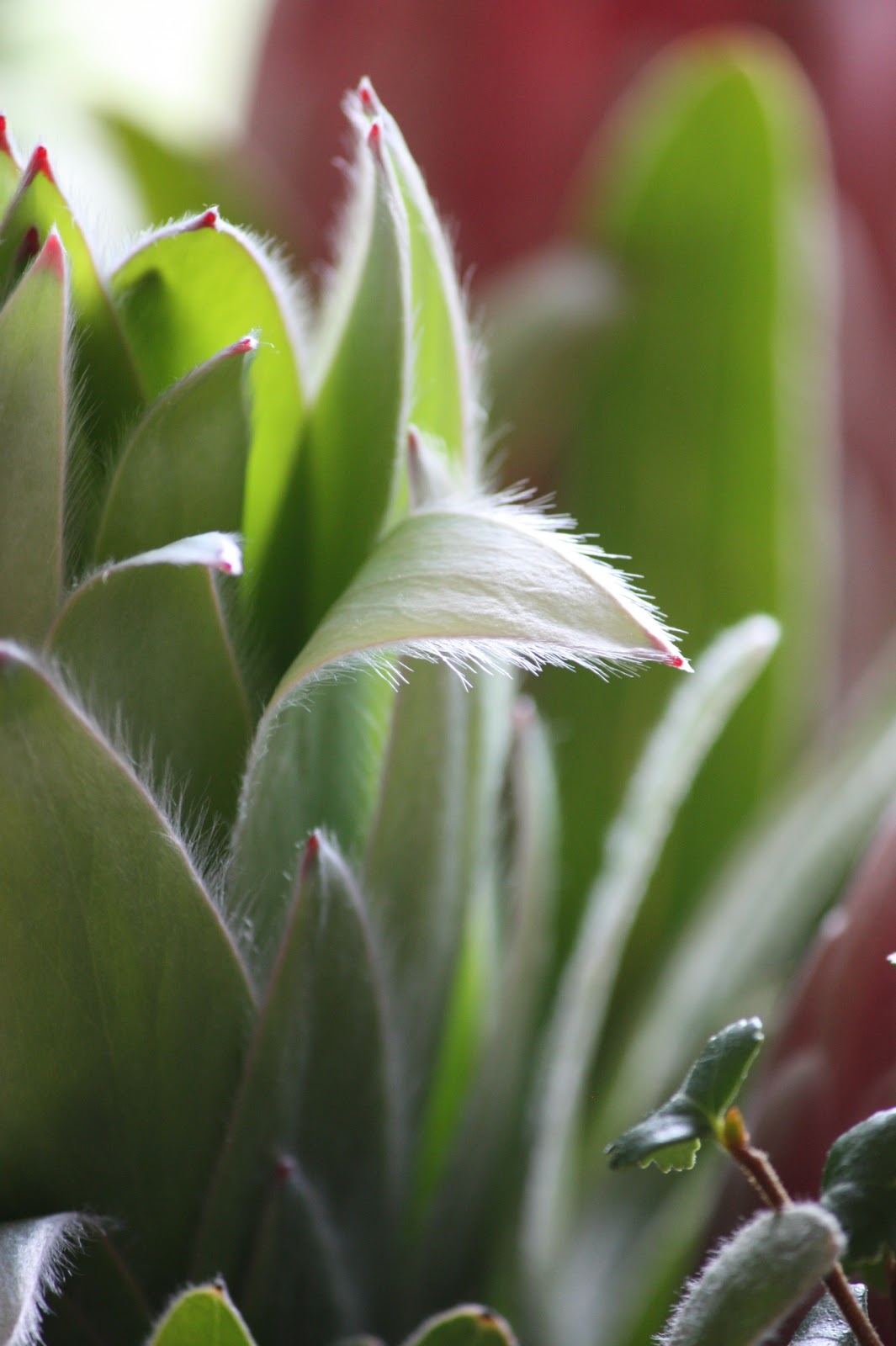
I'm very excited about the arrival today of our new batch of plants.  As I've mentioned recently, winter is a great time for planting at Swallows Nest.  Last year we put in around 200 new plants.  This year, we're being very restrained - only 36!  But when they arrived today, I was so surprised by the size of them.  They were much larger and more advanced than I expected.  I can even see the beginnings of flowers on some stems, long enough to pick if and when they form properly.  I have been chasing these plants for a few years now, so there is an extra excitement at having finally been able to source some!


So what are they?  They are a type of Brunia which I have written about before.  We planted some new  Brunia last year - Brunia Albiflora which have a white flower.  These new plants are called Brunia Stokoei.  Absoloutely stunning cut flowers on long stems with beautiful architectural silvery spheres that have tiny rings of flowers - in this case pink.


We ordered the plants from a nursery in Victoria, and the horticultural transport company that brought them across Bass Strait for us wouldn't deliver them to the door, so we had to pick them up.  I'm glad there were only 36 - they were so big that they filled the entire car.  


Notice how soggy the ground is?! Great planting weather! 


This is the beginning of a flower spike, and you can see the balls starting to form.  I'm looking forward to the first flowers!!!  In the meantime, its digging holes and planting.

Please note that the first photo is not mine.  Click here to see its original home!

Sunday, June 17, 2012

Lovely Leuco's Part 3


Red Gem are a fabulous Leucadendron.  The protea books all tell you that they are unsuitable as cut flowers, because their stems aren't long enough, but here in Tassie, they are spectacular and regularly grow to 80 and 90 cm stem lengths.  These beautiful red leuco's are so versatile for so many reasons.  They have large flower bracts, tulipy in shape.  Their colour ranges from deep red, early in the season, to bronzey red, and then in winter to bright yellow, before they open to reveal their pollen presenters.  
They are a great plant to grow too - they have a special type of root system called a lignotuber, which means they can shoot stems from old wood, and even from below the ground.  In the "old days" they were regularly pruned with a chainsaw!!! I certainly wouldn't do that to them, but they do love to be pruned, and produce many new flower stems afterwards.  
We don't regularly prune our plants, but use the picking process as an opportunity to prune.  It's such a lovely job, picking these Leuco's. Not only am I rewarded with masses of lovely flowers, but i can almost hear the plants' pleasure knowing that I am also setting them up for a great crop next year.  


Wednesday, June 13, 2012

Winter Activity


Apart from picking, the main winter activity on the protea farm for us is planting.  Proteas are characterised by a special root system.  They have deep roots that anchor them, like other plants, but they also have a "proteoid" root system that is shallow and renews itself every year.  Proteas are very cyclical plants.  Winter is their root growing season, and this makes winter a good time for planting.  

Last year, we planted around 200 plants.  I'm very excited about the varieties - White Ice - a beautiful white protea with icy white "fur".  Another variety we put in is White King.  It is a type of Protea Cynaroides, the largest flowering protea with a flower the size of a dinner plate!  The white variety we planted should be a stunning flower!  It will be 3 or 4 years before we see the results though - King Proteas are slow to mature.  But it will be worth the wait!


This morning I rang a supplier about ordering some more plants for planting this winter.  I hope I am able to get the variety I'm after!  This time next year, they'll be established, and growing, and I'll hopefully be blogging about them!  I love winter!

Saturday, June 9, 2012

Welcome to Winter


Welcome to winter on the farm!  It's a little chilly, and quite wet, but its a beautiful season.  There are many proteas that flower right through the winter.  In fact, I think they are superior in some ways to the blooms produced in the warmer seasons.  They seem to be clearer and brighter, free from insect activity and the effects of strong sun.  They really glow!

Winter is also a great time for planting proteas.  We have planted in all seasons here at Swallows Nest Farm,  and by far the most successful season is winter.  The plants clearly love getting their roots into the soil when its cooler.  It gives them time to focus on their roots before they feel they have to produce leafy growth.  There is more rainfall here in winter too, so there is no need to irrigate.  Real rain always produces better results than irrigation.  Somehow, the plants can tell!

Our very first winter here, 3 1/2 years ago, we planted 50 new plants as an experiment.  We didn't really know what we were doing, but I had read up on all the varieties and then realised that I could only really buy what I could find available!  A local nursery had some of these, so in went 50 Leucadendron Safari Goldstrike.  They were so small!


We put them in the ground and never irrigated them once!  I remember that as I planted the last 3 plants,  it started to rain.  Three years later, they look like this!


This spring will be our first big harvest of these wonderful yellow Leucadendrons.  They have large teacup-like heads in bright yellow, on strong strait stems of amazing length.  Really spectacular.  I will be sure to post photos of them as they start to sparkle!

Thursday, May 31, 2012

Drying Proteas


Proteas are fabulous as dried flowers.  They have great sculptural qualities and they keep their structure well, not falling apart easily.  There are no real tricks to drying your proteas - you don't need to hang them upside down, although it doesn't hurt.  Just as long as they are dried without being too crowded, to make sure their shape remains intact, and to allow for airflow.  Some even keep their colour well.  


You can get fancy if you want to - the following are some ideas from Proteaflora, a major Protea nursery in Victoria.
Hanging
Pick the flowers in their prime, strip off the bottom leaves then tie about 5 of the flowers together in a tight bunch with a rubber band. Hang them, heads down in a dry, dark, airy spot for about two weeks.

In a Glycerin Solution
The glycerin keeps the plant material supple and helps it last longer. After cutting and stripping the foliage, place the stems in a glycerin solution as soon as you can. Use a mix of one third glycerin (available at your chemist) to two thirds water. The solution should be seven to fourteen cm deep. Don't put stems in water first, and if the stems have been cut for more than one hour, re-cut them before placing them in the glycerin solution. When tiny beads of glycerin appear on the leaves, take them out and hang them as described above.

The pink flowers pictured are Protea Pink Ice.  There are some others mixed in including Brunia Albiflora, (press the link to check out more of these) and some Leucadendron Argenteum.  I am also lucky enough to have a huge Banksia Grandis tree and the seed pods often come on long stems which make a great display.

So next time you have a bunch of proteas, think about drying them for longer lasting loveliness!!

Tuesday, May 22, 2012

Lovely Leuco's Part 2


Sylvan Red is a variety of Leucadendron that we grow at Swallows Nest.  They are a well known variety and a popular cut flower.  They are similar to the Safari Sunset I first featured with a few exceptions.  They are a brighter red, as you can see, and they are finer, with almost a more pointy end to the leaves and flower bracts.  They are finer in the stem too, but they can still grow an incredible length - up to 1 mt. They really glow in the sunlight on the farm, but the smell is something I can't capture with a camera.  There is a faint sweetness to their perfume which makes picking them a real joy.  They are at their peak at the moment, but left unpicked will change colour in early winter and become multicoloured red and yellow, opening to reveal the pollen presenters inside.  


Monday, May 21, 2012

Ink and Spindle

I'm a big instagram fan and recently, I came across a boutique fabric design company in Melbourne that have done a range of fabrics inspired by Leucadendrons. Of course, I just LOVE it, so I thought I'd share a few of their pictures.  


If you're interested, check out their blog at

Friday, May 18, 2012

Lovely Leuco's

Leaucadendrons are one of the most popular flowers in the florist trade.  They are incredibly long lasting, they are available all year round, and come in a range of colours.  They look equally happy amongst natives, or more traditional flowers.  And yet, many people, although they would recognise them, wouldn't have heard of them.  We grow lots of varieties of Leucadendrons at the Swallows Nest.  

At the moment, most of the Leuco's (as we call them) are rich red.  We have three main varieties of red Leucos, all with slightly different properties.  This one, called Safari Sunset is the most popular Leucadendron grown worldwide.  It is a rich deep red, has long strait stems up to 1 mt, and is sturdy.  It has a medium sized flower head.  


If you weren't familiar with Leucadendrons before, I'm sure you'll recognise them if you look for them, peeping out from a bouquet at a florist or sold in lovely large bunches at flower markets.  

Saturday, May 12, 2012

Mother's Day

Mother's Day is a great time for flowers.  Usually, we sell our flowers wholesale in large quantities, but being an artist, I love the creative challenge of making retail bunches.  I'm not trained in floristry so they are not technically well constructed, but I love combining colour and texture and making the flowers look their best.  My local General Store sells bunches for me, and I love the challenge of creating bunches that say "buy me" to shoppers.  This week, I made some Mother's Day bunches.  Here are a few snaps!


 From the field to the bucket, and from the bucket to the bunch!


 Happy Mother's Day


Thursday, May 10, 2012

Sugar Bush


It is generally thought that winter isn't a great time for flowers, but proteas are the exception to this.  There are many protea species that flower in autumn and winter, when other flowers are hard to find.  They grow through spring and summer, sending up long stems, and then in autumn they set buds and begin to flower.  Three years ago, we planted some new proteas called Protea Repens or Sugar Bush.  They have flowered for the first time this season, beginning in autumn, and continuing now into early winter.  I am delighted with them.   They are quite different to our standard Pink Ice protea.  They are waxy rather than hairy (!) and don't have the silvery bloom that many common proteas have.  When we have a new flower, I love to put a few on my kitchen windowsill and watch them open over days and weeks - I guess as a kind of road test!  Here are some of our new beauty.


We have spectacular sunsets at Swallow Nest Farm.  I think that the autumn sunsets are the best.  Its something about the autumn light here in Tasmania - and probably helped by a bit of smoke from Forestry burn offs.  This was the sunset that provided the soft lighting in the protea photo above it.


As the Sugar Bush flower opens, its colour starts to soften, and the centre structure starts to collapse into a wider, less tidy shape. I think its quite beautiful.

Tuesday, May 8, 2012

The Silver Tree

At Swallows Nest Farm, we grow one of the most beautiful foliage plants of the proteaceae family.  It's commonly named the Silver Tree, but its actually a Leucadendron with the proper name of Leucadendron Argenteum.  (Just Latin for silver, really!)  It really does look spectacular at this time of year, and provides the most beautiful soft textured foliage with a silvery green colour that perfectly compliments the other proteas flowering at the same time.


The Silver Tree does actually grow to small tree proportions, but if it is picked regularly, like it is in the cut flower trade, it remains at a reachable height.  Some of our trees have been unpruned for a while and we were so excited to find that the female trees began to produce the most spectacular cones.  They begin as a soft silvery green, like the leaves, but look like they are made of metal.  When they dry, you end up with a beautifully structured cone, about the size of a tennis ball, on the end of a long stem.  They make a great statement in a vase, as a dried flower.


The bark of the Silver Tree is unusual too.  In their native South Africa, they were at one stage used as a firewood tree, because they grow quickly and burn well.  It's unusual wood - quite light, but the bark! I think it looks like elephant skin!

It's a remarkable tree, and we love growing it!


Saturday, March 24, 2012

Early Autumn

Autumn is a busy time in the flower farm.  There are many proteas that flower over autumn and winter, and the cooler weather also brings a chance for clearing away the excess growth of summer.  There are so many weeds!  But I love the beginning of the cooler weather.  It seems like the plants are invigorated again after being a bit tired and weary at the end of summer.


Protea Pink Ice,  a cut flower industry staple, is absolutely sparkling at this time of year.  Beautiful clear pink flowers with icy white tips and clean, clear foliage are bursting out all over the bushes.  If you're buying these flowers, here is a tip - pick ones that are not quite fully open.  You'll get a much longer vase life.  Most people go for the really big, open flowers, but these are just at the end of their vase life and will quickly discolour and collapse.

Late summer and early autumn also brings out my favourite flower that we grow here at Swallows Nest Farm. Its called Brunia Albiflora.  Its not technically a protea, but it is native to South Africa and is a spectacular, sought after cut flower with beautiful long strait stems topped with stunning glowing silver balls of tightly packed flower buds.  Its very architectural and looks fabulous en masse, or as an accent in a mixed arrangement.

Brunia Albiflora is not a plant you'll find at your local nursery.  They are quite difficult to propagate and as a result its difficult to come by these plants, even as a grower.  I was very excited last year when we managed to get hold of some plants from Victoria and so we have dramatically increased our future production of these rare and beautiful flowers.  I can't wait!

Brunia's silvery balls will begin to burst into tiny rings of flowers at this time of the year.  Each ball will begin flowering in a ring around the outer edge of the ball and slowly, the flowers will open inwards until the whole ball is covered in tiny flowers.  Some people prefer the plant before the flower comes out, others like it both ways.


I always like to have some of the current season's flowers on my windowsill in the kitchen, as a reminder of whats going on outside.  I could tell you I'm doing experiments in vase-life,  but really I'm just enjoying the produce!


Whatever you do, if you are lucky enough to come by some of these flowers, don't throw them out when they are past their best.  They make spectacular dried flowers and keep for years.  You don't need to do anything fancy with them.  Just take them outside and strip off the tiny needle-like leaves so the stalks don't shed.  Then they are good to go in a vase again for a dried flower arrangement.

Thursday, January 5, 2012

Summer Blooms


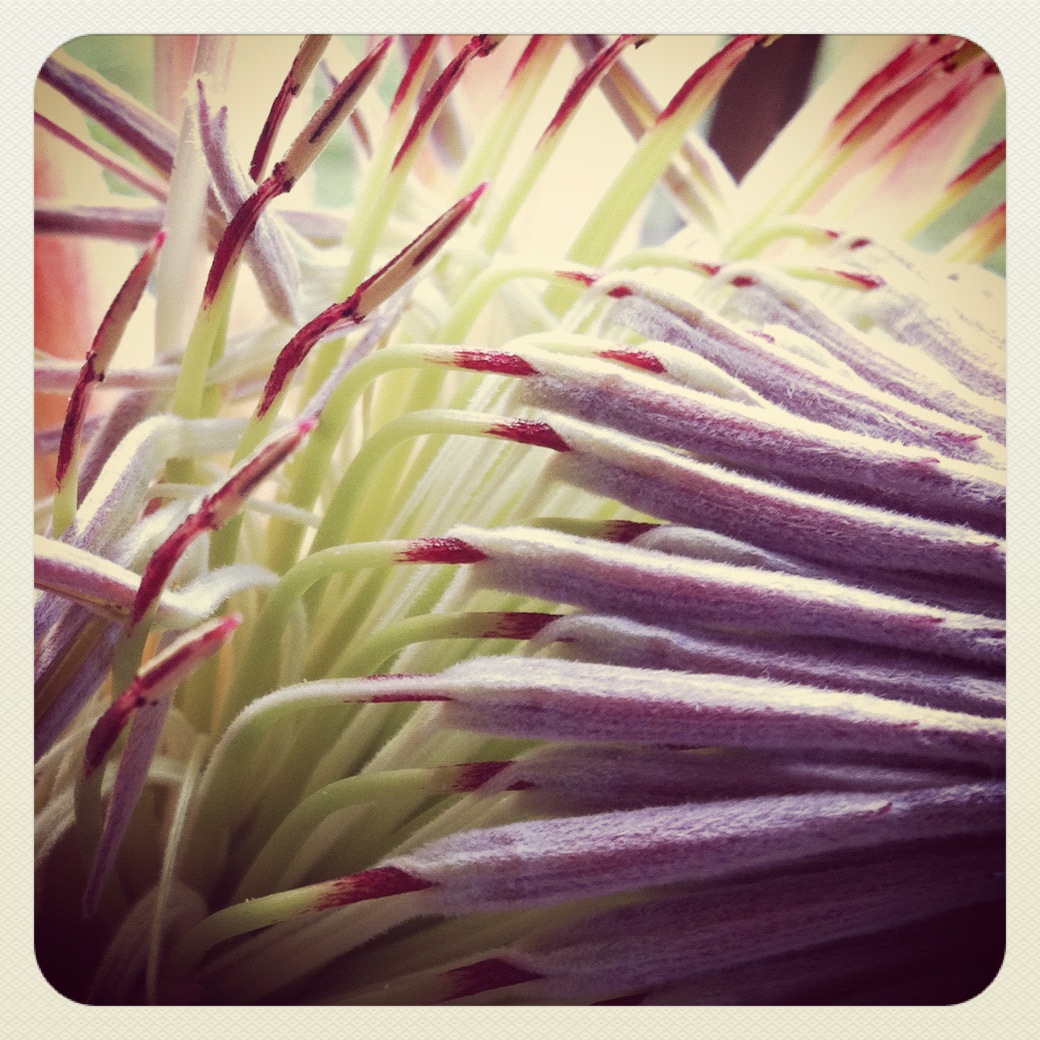
Summer is the time when King Proteas are in bloom. These flowers really are the "kings" of the protea world, opening up to the size of dinner plates! For this reason, Protea Cynaroides (their botanical name) are the national flower of their native South Africa. They truly are stunning. At Swallows Nest Farm, we have been busy planting King Proteas this season in a stunning White. I am so excited about them! Unfortunately, I will have to contain my excitement as they will not be ready for harvesting for 3 years.  I will have to content myself with the few Mini Kings that we have! It will not be a chore - they are equally as beautiful, if alittle smaller. Still a fair size for a flower at the diameter of a bread and butter plate. They are a beautiful colour with soft purple on the centre crown, and cream and pink outer petals.  Then there are the soft creamy green centre stamens.

The whole flower is like a performance as it opens slowly over days and even weeks. I watch captivated as they open, changing shape unfolding themselves. Recently, I had one on my windowsill for a fortnight and took photos as it underwent its slow unfolding performance. These are some of the photos.